Digital Marketing Career Roadmap 2026 — The Complete Step-by-Step Guide
This practical, step-by-step Digital Marketing Career Roadmap (2026 edition) helps beginners, career-switchers, and freelancers go from zero to measurable impact. It blends a 0–12 month plan, channel playbooks (SEO, PPC, content, analytics), tools, certifications, portfolio templates, salary insights (India + global), and growth experiments — all written in a friendly yet expert tone with specific examples you can copy and measure.
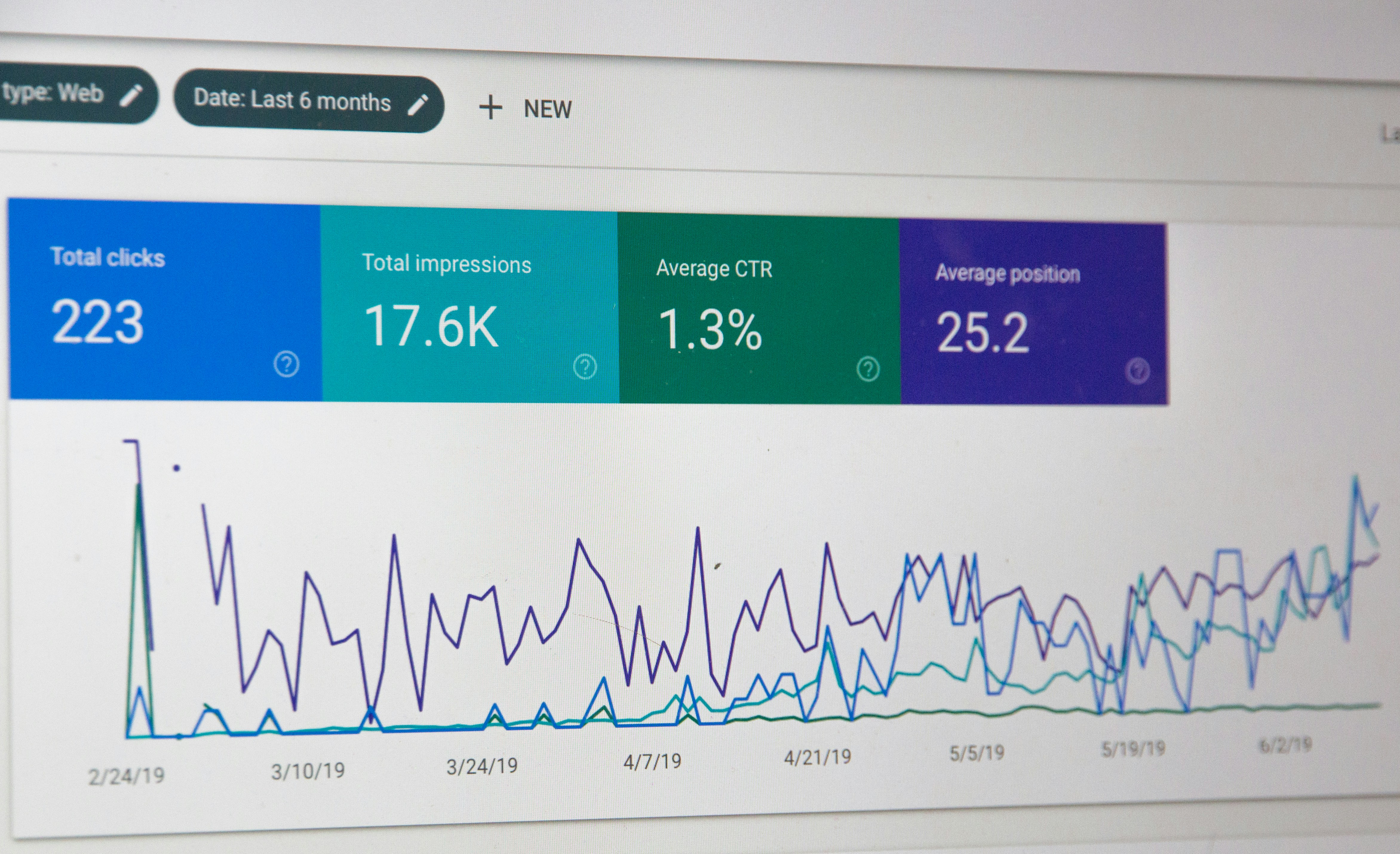
Estimated read time: ~25–30 minutes. Use this guide as a living blueprint — bookmark it, adapt the templates, and revisit as platforms and privacy rules evolve.
What you’ll get from this roadmap
- A clear 0–12 month action plan (5–15 hours/week) tuned for 2026
- Which skills to prioritize and how to learn them (AI + privacy-ready)
- A portfolio & case study blueprint hiring managers love
- Job & freelance playbooks to help you command higher pay
- A 12-month content & growth calendar you can copy and customise
Why choose digital marketing in 2026?
Digital marketing remains one of the most flexible, measurable, and high-impact careers in 2026. Companies still need scalable acquisition and retention; marketers who can combine creative storytelling with rigorous analytics and AI-assisted workflows will be the most in demand.
Over the next 3–5 years, the most valuable marketers will be those who:
- Measure impact with revenue-level metrics (CAC, LTV, payback period)
- Design privacy-first acquisition strategies that don’t break when third-party signals change
- Use AI for productivity while keeping human validation and experimentation
- Create short-form video and creator-led discovery experiences that feed the funnel
Quick promise: Follow this roadmap, ship measurable case studies, and within 6–12 months you can credibly apply for specialist or mid-level roles, or charge retainers as a freelancer.
Key 2026 trends to plan around (India + global)
2026 is the year most organisations move from “experimenting” with AI and privacy changes to “operationalising” them. Below are the macro themes you should master and the practical implications for your career.
1. AI as a productivity and creative layer (but measured)
Generative AI and automation are now embedded in creative production, ad optimisation, and reporting. The high-value skill is not “using AI” — it’s prompt design, validation, and running controlled experiments that show AI improved a measurable KPI (eg. conversion rate, CPL, or time-to-publish).
Practical next steps: learn prompt engineering (templates for ad copy, video scripts, and landing pages), adopt AI tools for asset variants, then A/B test AI vs human outputs to show real lifts.
2. Privacy-first measurement & server-side tracking
Cookies and free access to cross-site signals are declining. In 2026, first-party data, consented telemetry, and server-side event collection are table stakes — learn how to design first-party capture strategies and instrument them correctly with GA4, GTM, and server-side tagging. These approaches reduce attribution blind spots and keep experiments valid as platforms tighten tracking rules. (See GA4 evolution and reporting changes.)
Sources: Google Analytics “What's new” and industry analysis on GA4 improvements.
3. Short-form video & creator-driven discovery
Short-form video (Reels, Shorts, TikTok) is now a primary discovery channel for many consumer categories. Creator partnerships and commerce integrations are mature — creators function as distribution partners more than influencers. In India, the creator economy is growing quickly and is central to social commerce strategies. Build repeatable, low-cost production workflows and creator playbooks.
4. Platform automation & new ad formats (Performance Max & generative ads)
Automated campaign types (eg. Google's Performance Max) have become more sophisticated with asset-level reporting and AI suggestions. Understand what these tools automate, how to provide high-quality assets, and how to read the diagnostics so automation helps — not hides — your signal. Recent updates also show platforms adding more reporting to keep advertisers informed.
5. Creator commerce & social selling
Social commerce and creator monetisation continue to expand — Deloitte and other industry analysts project social commerce and creator economy growth into 2026 and beyond. Marketers who understand creator funnels and productised creator campaigns will have an edge.
In-demand skills to prioritise (2026)
Build a deep primary skill, then layer secondary skills that add multiplier effects. Primary skills make you hireable; secondary skills make you promotable and earn you higher retainers.
Primary (build deep proficiency)
- SEO: keyword strategy for intent + AI content review, technical audits, structured data, E-A-T signalling
- Paid Media: Search, Performance Max, YouTube & UAC replacements, creative testing, ROAS forecasting
- Analytics & Data: GA4 (event modelling), GTM + server-side tagging, Looker Studio dashboards, basic SQL for insight queries
- Content Marketing: pillar content, repurposing into short video, newsletter funnels
- Email & Automation: lifecycle email flows, list health, consent management
Secondary (add value fast)
- CRO (A/B testing, UX fundamentals)
- Short-form video production & editing (mobile-first workflows)
- Basic HTML/CSS and landing page builders (for rapid tests)
- Prompt engineering for creative & analytics automation
- Project management & reporting (Playbooks, OKRs)
Career roles & pathways — pick a lane (and own it)
Your environment shapes how quickly you learn. Agencies give breadth fast; startups give ownership; product companies give depth and cross-functional working. Below are common ladders you can follow.
- Entry: Marketing Intern, Junior Executive, Content Writer
- Mid: SEO Specialist, Paid Media Specialist, Content Manager, Growth Associate
- Senior: Head of Performance, Growth Lead, Content Lead
- Leadership: VP Marketing, CMO, Head of Growth
0–12 Month Step-by-Step Roadmap (designed for 2026)
This roadmap assumes 5–15 hours/week. Full-time learners can accelerate. Focus on real projects and measurable outcomes — numbers win interviews.
Months 0–1: Foundations & setup
- Take 1 fundamentals course — either SEO basics or Google Ads fundamentals. Use project-based courses that require deliverables, not just certificates.
- Portfolio site: set up a WordPress site (fast theme), create About + Projects, publish one long-form article (1,500–2,200 words) optimised for search and user intent.
- LinkedIn & personal brand: craft a headline that communicates outcome (eg. “Paid Media Specialist — cut CAC 30% for D2C brands”). Post one weekly insight.
- Tool access: create free accounts for Google Search Console, GA4, GTM, and a keyword tool (Ahrefs/SEMrush free trials or Ubersuggest).
Months 2–3: Hands-on experiments
- Micro PPC campaign: run a small search + remarketing test with a ₹5,000–₹15,000 budget to learn structure and conversion events.
- Technical SEO audit: fix 5–10 issues (broken links, compressed images, missing meta titles) and measure 30-day traffic lift.
- Content + short video practice: publish 3 long articles and 6 short videos; track engagement and referral traffic.
- Get one certification: Google Ads or GA4 — but tie it to a project (eg. report or optimization you executed).
Months 4–6: Real projects & portfolio
- Deliver a real project: pro-bono for a local business, NGO, or friend’s startup — instrument conversions and show before/after metrics.
- Create case studies: two case studies with clear context, steps, screenshots, and metrics.
- Email nurture: implement a simple welcome + nurture flow and measure open & click rates.
Months 7–9: Specialise & document
- Pick a specialty: (SEO or Paid Media recommended) and take an advanced course that ends with a portfolio piece.
- Playbooks: build campaign briefs, audit checklists, and reporting dashboards you can reuse.
- Public insights: post case study summaries on LinkedIn and short videos sharing tactic + result.
Months 10–12: Monetise & scale
- Pitch paid clients: use case studies and a clear retainer offering (eg. “SEO + Content: 6-month growth retainer” with deliverables & KPI targets).
- Negotiate on ROI: price based on ROI (eg. projected revenue lift) rather than pure hours.
- Scale: build templates to onboard 1–2 clients at a time without quality loss.
Result after 12 months: 2–4 solid case studies, a portfolio site, real certifications, and the ability to apply for specialist roles or charge steady retainers.
30 / 60 / 90 Day plan — first 90 days (for interviews & onboarding)
This is a practical 90-day plan you can bring to interviews or use when you join a new role.
Days 0–30: Learn & audit
- Meet stakeholders, map business goals, and define 1–3 KPIs.
- Audit website, analytics, and current campaigns; pick 5 quick wins.
- Deliver an executive one-pager with prioritized fixes and estimated impact.
Days 31–60: Implement & test
- Implement quick wins (meta tags, small landing page changes).
- Start A/B tests for landing pages and creatives; instrument tracking so wins are clean.
- Set up a weekly dashboard to report early momentum.
Days 61–90: Scale & systemise
- Scale winning tactics and document playbooks.
- Present a 90-day review with uplift and a 6-month plan (including resource asks and budget needs).
Essential tools & learning plan (practical + 2026-ready)
Hands-on practice accelerates learning. Below are the core tools per discipline and a suggested practice plan you can run in 30–90 days.
SEO
- Google Search Console, Ahrefs / SEMrush, Screaming Frog, Rank Math / Yoast
- Practice: perform a site audit, fix 10 issues, publish an improved article, monitor rankings for 60 days.
PPC
- Google Ads (including Performance Max), Microsoft Ads, Meta Ads Manager, Google Ads Editor
- Practice: launch a small search + remarketing campaign and measure CTR, CPC, CPA, ROAS. Learn how automation surfaces diagnostics.
Analytics & reporting
- GA4, GTM (client & server side), Looker Studio, BigQuery (basic SQL)
- Practice: implement 3 core events, build a weekly dashboard that ties traffic to conversions and LTV.
Content & video
- WordPress, Canva, Figma, CapCut / Adobe Rush
- Practice: produce 8 short videos and 4 articles in 30 days; iterate on engagement metrics and CTR to landing pages.
Certifications that actually help (2026)
Certifications are a tool to pass filters and build credibility — but real projects still close interviews. Useful certs in 2026:
- Google Ads Certification (Search, Performance Max awareness)
- Google Analytics 4 (GA4) — focus on event modelling & consented measurement.
- Meta Blueprint (Meta/Instagram advertising)
- HubSpot Content / Inbound (for content & funnels)
- Ahrefs / SEMrush Academy (SEO operator skills)
Portfolio & case study blueprint — copyable templates
Hire managers want clear impact. Every case study should answer: what was the problem, what you did, and the measurable outcome. Use a consistent format and include screenshots, traffic graphs, and before/after metrics.
Case study format (copy to your portfolio)
- Context: Company, product, timeline
- Problem: The metric to improve (visits, leads, CAC)
- Strategy: Channels, hypothesis, expected lift
- Execution: Steps, tools, budget, creatives
- Result: Percent and absolute metrics (include screenshots)
- Learning: Next steps and what you’d change
Example short case study (2026 example):
Context: Local bakery — Jan–Mar 2026
Problem: Low website visits & online orders (avg 20 visits/day)
Strategy: Local SEO + Search Ads + coupon landing page
Execution: On-page SEO fixes, Google Business Profile optimisation, search ads with coupon landing page, short-form videos for local discovery
Result: Organic visits +130% (20 → 46/day), online orders 40/month, CAC down 30%
Learning: Short video pushed local discovery; next step is customer referral loop & email nurture
Landing high-paying roles & premium freelance clients (India + global)
Job search playbook
- Optimize LinkedIn headline to show role + outcome (eg. “SEO Specialist — grew organic revenue 2x for D2C brands”)
- Tailor resumes to highlight 1–2 case studies that match job requirements
- Bring a 30/60/90 plan and sample dashboards to interviews
- Use referrals and cold outreach to hiring managers with a short audit and quick wins (paid or free)
Freelancer playbook
- Productise services (eg. “Local SEO Starter — ₹25,000 / 3 months”)
- Offer paid audits or low-cost pilots to prove value
- Use KPI-based retainers and conservative ROI estimates — price against results not hours
KPIs & reporting every marketer must master
| Area | Key KPIs | Why it matters |
|---|---|---|
| SEO | Organic sessions, ranking keywords, organic conversion rate, revenue per visitor | Sustainable acquisition & content ROI |
| PPC | CTR, CPC, CPA, ROAS, conversion value/cost | Ad efficiency & profitability |
| Open rate, CTR, conversion rate, revenue per email | Engagement & funnel health | |
| Social | Engagement, reach, referral traffic, social-assisted conversions | Awareness & creator funnel performance |
| Retention | Activation, churn, LTV, payback period | Long-term revenue |
Growth experiments & mini case studies you can run
- Content Skyscraper: update a weak page, expand it, and run outreach for backlinks
- Lookalike Audiences: use high-value customer lists to build lookalikes and test on short video placements
- Exit Intent Offer: capture abandoning visitors with a lead magnet and follow up with nurture sequences
- Referral Loop: two-sided incentives for successful referrals
Mini case study (2026 style): personalised onboarding emails + in-app checklist led to a 15% uplift in paid conversions for a SaaS client over 6 weeks (A/B tested with consented event tracking).
12-month sample content & growth calendar (copy & adapt)
- Month 1: Setup GA4, server-side tagging, quick SEO audit, publish two pillar articles
- Month 2: Launch search ads + creator awareness push (short videos)
- Month 3: Build lead magnet + welcome flow; run first A/B test
- Month 4: Video push — 8 short videos & creator collaboration
- Month 5: Scale paid channels with proven ROAS
- Month 6: SEO push for high-intent keywords
- Month 7: Referral & retention automation
- Month 8: Host webinar (or live shopping event) for lead gen
- Month 9: Seasonal campaign & creator partnerships
- Month 10: Conversion funnel audit & fixes
- Month 11: Holiday / peak campaign execution
- Month 12: Annual review, measurement audit, hiring plan
India-specific hiring & salary insights (2026)
India’s market rewards multi-skilled marketers. Salaries vary by city, company stage, and skill depth. The ranges below reflect market reporting and course placement data through 2025–2026 — treat them as broad bands; actual offers will depend on company, proven outcomes, and negotiation.
| Experience | Typical Range (INR / year) |
|---|---|
| Entry (0–2 yrs) | ₹3L – ₹7L |
| Mid (3–6 yrs) | ₹7L – ₹20L |
| Senior / Lead | ₹20L – ₹50L+ |
Local tip: Demonstrate measurable local wins (footfall, local search conversions) — SMBs respond best to concrete impact. Market reports and training placements in 2025-26 show median entry salaries around ₹3–7L with strong variance based on city and role.
Frequently asked questions (quick answers)
How long to become job-ready in 2026?
With focused, project-based learning and measurable case studies, many people are job-ready in 6–12 months. The key is to ship 2–3 case studies that show measurable impact.
Which skills should I prioritise first?
Pick one core channel (SEO or PPC) and learn analytics (GA4). Add content & short-form video skills, then layer automation and AI tooling.
Do certifications help in 2026?
Yes — certifications help pass HR filters, but they only convert offers when paired with real case studies. Useful certs: Google Ads, GA4, Meta Blueprint, HubSpot, Ahrefs/SEMrush.
Ready to accelerate your career in 2026?
If you want guided, hands-on training that follows this roadmap — projects, feedback, and placement support — consider DAF Academy. Their practical programs are designed to help you build portfolio pieces and land client or full-time roles.